

Naivasha, Nairobi -The impact of climate change in Kenya has had far-reaching ramifications that can no longer be addressed through adaptation alone. As articulated under Article 8 of the Paris Agreement, loss and damage refer to the adverse effects of climate change that go beyond the limits of adaptation.
A 2024 report by the National Droughts and Management Authority (NDMA) stated that the impacts of climate change led to transactional sex for food, school fees and sanitary pads as a coping mechanism for girls and young women. The 2024 IPCC Sixth Assessment Report (AR6) confirms climate change disproportionately affects women thus exacerbating inequalities.
Worse still, the NDMA report noted that climate change increased teenage pregnancies in the 23 counties totaled to 32,416 with girls 15-19 years (29,992). It is these kinds of damage that are irreversible and warrant a gender lens.

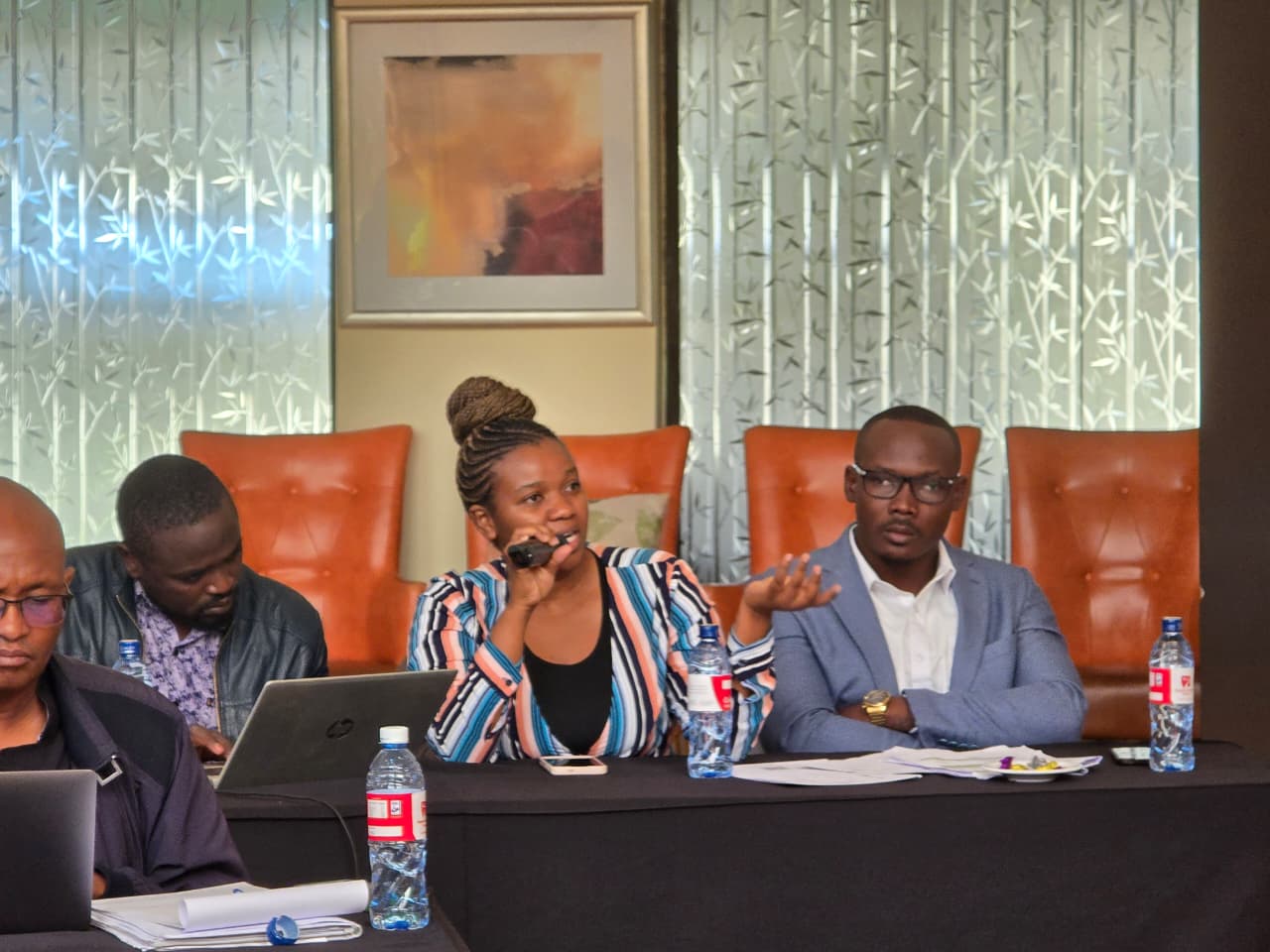
Speaking during a Post COP 30 meeting on loss and damage organized by UNFPA Kenya and the Ministry of Climate Change, Environment and Forestry, Ruth Nyamasege, the Kenya in-country senior facilitator the National Determined Contributions Partnership and the National Climate Change Action Plan (NCCAP) III – 2023-2027 said, “Women in Kenya have been disproportionately impacted by the climate crisis.”
Nyamasege also underscored that women have incurred losses and damages that not only warrant attention but quantification. She further highlighted that women’s livelihoods have been deeply affected by climate change, and that they remain vulnerable, now more than ever.

Accordingly, Grace Uwizeye from UNFPA observed that , “Climate change is not gender neutral.” Uwizeye further demonstrated that women’s enormous loss of livelihoods is attributed to the climate induced hazards such as drought and floods.
She also highlighted that over 107, 318 women of reproductive age have been affected in Kenya due to rising water levels.
Markedly, Evelyn Makena, Children Officer, National Social Protection Secretariat, said “When crisis hits, women and girls bear the greatest social, economic and care burdens.” Makena reiterated that if women are not at the decision making table, responses will fail to reflect their needs.

With the same tone, Yvonne Ndanu from the State Department of Gender Affairs and Affirmative action said, “Women and girls are more vulnerable to climate change due to pre-existing social norms and inequalities.” Ndanu reiterated that when it comes to climate change, women, men, girls and boys are affected in different ways.
Jecinta Kamau, from the Collaborative Centre for Gender and Development said , “Women participation and leadership is not optional; it is essential to designing just, effective Loss and Damage responses.” She further underscored that, “Loss and Damage is not gender neutral without women shaping climate decisions, the real costs remain invisible and climate justice remains out of reach.”
The Post COP 30 meeting brought together participants from national and county institutions including faculty from Kenyatta University, Masinde Muliro University, Egerton University , the University of Nairobi, the County Governments of Kisumu, Busia, Nakuru and Turkana, the National Environment Management Authority (NEMA), the Kenya Institute for Public Policy Research and Analysis (KIPPRA), State Department of Gender and Affirmative Action, the National Treasury, United Nations Population Fund (UNFPA), and the National Social Protection Secretariat, Collaborative Centre for Gender and Development, State Department for Transport, the African Center for Health, Climate & Gender Justice Alliance (ACHCGA), and the NDC Partnership underscoring the broad stakeholder engagement.