

Africa is still far from achieving equal representation of women in political leadership. Unfortunately, the current political climate in many parts of the continent appears to be shunning gender equality. This notwithstanding, African women continue to advocate for their voices to be heard and for the full implementation of the Protocol to the African Charter on Human and Peoples’ Rights on the Rights of Women in Africa, commonly known as the Maputo Protocol.
Article 19 of the Maputo Protocol speaks volumes about why African women should be at the center of leadership and decision-making. The Protocol remains at the heart of the African human rights framework for advancing and protecting women’s rights.
Unlike many other women’s human rights instruments, the Maputo Protocol provides wide-ranging and substantive rights for African women, covering the entire spectrum of civil, political, economic, social and reproductive rights, among others.
Speaking in Nairobi, Kenya, during the 20th commemoration of the Protocol, Mama Kaliya, a renowned gender and human rights activist from Malawi, said the Maputo Protocol is connected to other policies on the continent and must therefore be fully implemented.
Kaliya, who is also the Chairperson of the Board of Trustees of the NGO Gender Coordination Network in Malawi, noted that African women must actively pursue political power.
“Political power must be pursued by African women because policies only enable women, but women must also be willing to demand for leadership roles,” she said.
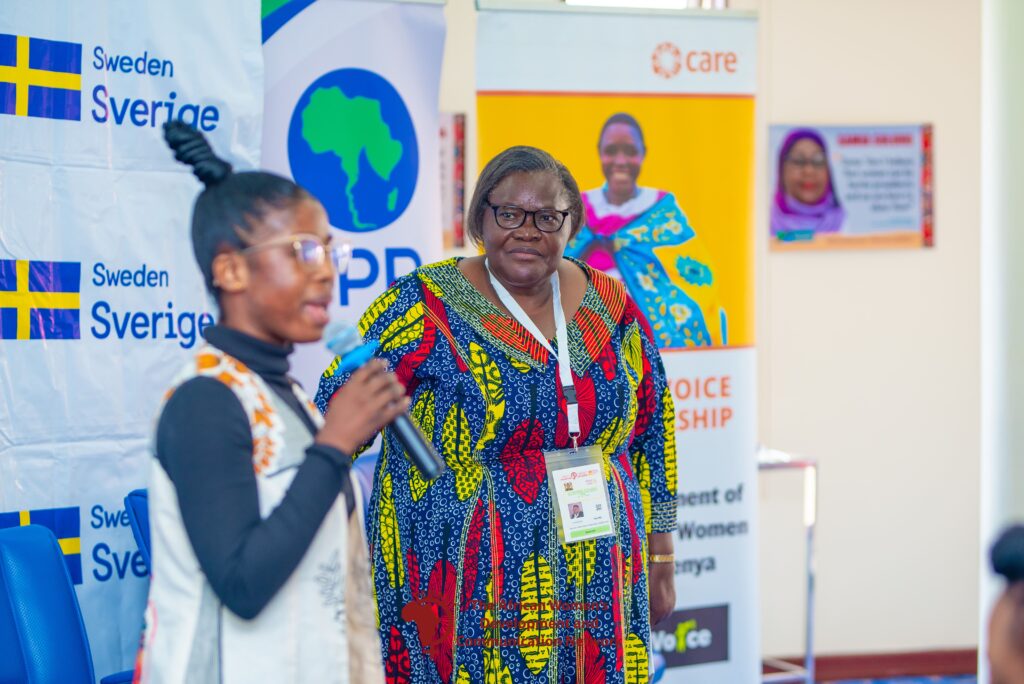
Similarly, Bernice Dodoo, a She Leads activist from Ghana, observed that young women continue to be excluded from spaces where policies affecting their lives are shaped.
“Young women like me have been left out of the policy implementation space. Yet, the policies discussed literally determine our future,” Dodoo said.
Dodoo further emphasized that African girls and women constitute a significant proportion of the continent’s population and should therefore not be excluded from political spaces.
“Girls and young women must be meaningfully engaged in the policy space,” she said while addressing the Women in Political Participation session on Intergenerational Experiences of Women’s Voices in Leadership in Africa.
Speaking at the same forum, Mildred Ngesa, a renowned Pan-African feminist, emphasised the responsibility of today’s leaders to prepare the next generation.
“We must practice intentionally in mentoring the next generation,” she said.
Ngesa noted that girls and young women are among those who stand to benefit most from the implementation of the Maputo Protocol and must therefore be incorporated into its implementation and the broader Pan-African journey towards gender equality.
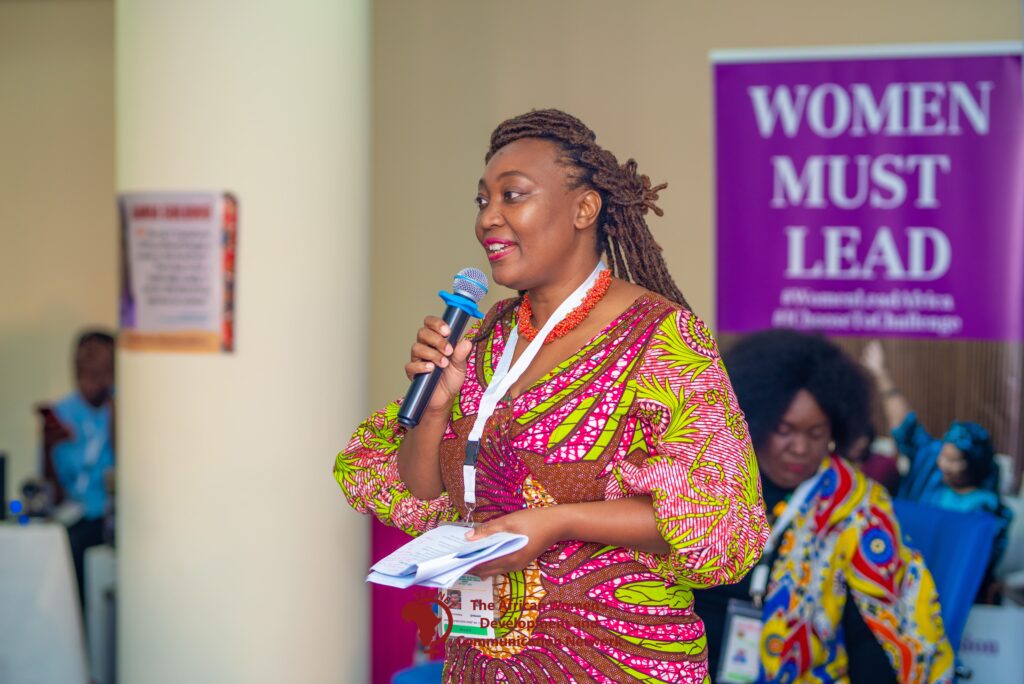
Echoing this position, Memory Kachambwa, Executive Director of FEMNET, insisted that genuine commitments are needed to realize the full promise of the Maputo Protocol.
“As African women, we must not relent but continue to shift mindsets in the political space because in Sub-Saharan Africa, only 26 per cent of women are legislators,” Kachambwa said.
While mindsets are slowly changing across Africa, policies and commitments to equal political representation are not being implemented fast enough.
The Maputo Protocol has also yet to achieve universal ratification across the continent. According to the figures referenced during the discussions, 49 of the 55 African Union Member States have signed the Protocol, while 42 have ratified it. Full domestication and implementation therefore remain a distant reality in many countries.
Rwanda stands out as an example, with women holding 61 per cent of legislative positions. However, this progress has not yet been replicated across the continent.
Worse still, political instability in some African countries continues to prevent women from fully participating in political and electoral systems, even where constitutional provisions provide for such participation.
Implementing the Maputo Protocol therefore remains a journey that requires continuous efforts to shift the trajectory on the promotion and protection of women’s political participation.
It is against this backdrop that the Women in Political Participation consortium partners under International IDEA continue to engage African women in all their diversities in political spaces. The consortium brings together FEMNET, Women in Law in Southern Africa, IFAN, Gender Links, Padare and the Forum for African Women Educationalists.
Twenty years after the Maputo Protocol, the question remains: Will Africa turn its commitments on women’s political participation into meaningful action?