

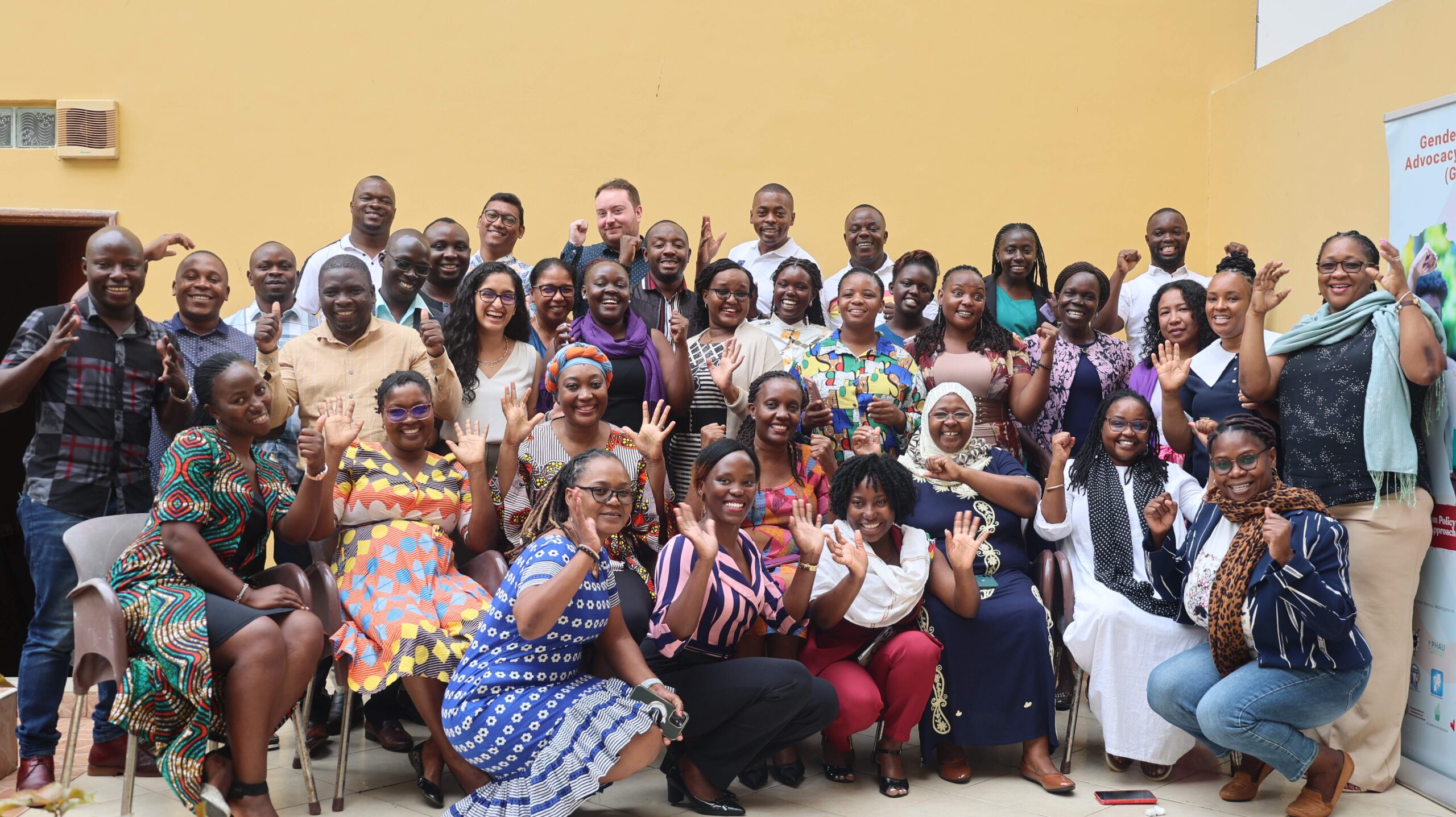
As Africa marked the 20th anniversary of the Maputo Protocol, feminists and gender rights activists gathered in Dar es Salaam, Tanzania, with a powerful message: women cannot afford to remain spectators in decisions that determine their bodies, health, rights and futures.
The call came during the African Feminist Transformative Leadership Academy, hosted by the Aga Khan Foundation in partnership with the African Women’s Development and Communications Network (FEMNET). The academy brought together more than 40 feminists and gender rights activists from eight countries, including Kenya, Tanzania, Uganda, Mozambique, Madagascar, South Africa, Zimbabwe and Canada.
For many of the participants, feminist leadership is not simply about putting more women in positions of power. It is about changing the systems that continue to determine who has access to healthcare, who makes decisions about reproductive health and rights, and whose voice is heard when policies affecting women and girls are designed.
Speaking during the opening ceremony, Dr. Rose Reuben, Executive Director of the Tanzania Media Women’s Association, said the academy had come at a critical moment because it equipped feminists to challenge oppressive structures, including through the media.
“The African feminist transformational academy was a timely event because it equipped feminists from Africa to challenge the oppressive structures through the media,” she said.
Dr. Reuben noted that women have consistently been shortchanged in leadership positions despite their potential and power to provide sustainable leadership.
Memory Kachambwa, Executive Director of FEMNET, similarly called for African women to occupy the spaces where decisions are made.
“As a feminist institution, we are dedicated to share in the responsibility of sisterhood and genuinely create inclusive and responsive approaches for transformational leadership,” she said.
Kachambwa was unequivocal that African women have the right to occupy positions of power because they have what it takes to lead.
That leadership matters particularly in sexual and reproductive health and rights (SRHR), where decisions made in political and policy spaces directly affect women and girls. Access to reproductive healthcare, bodily autonomy and the ability of women to make informed decisions about their lives cannot be separated from who sits at the decision-making table.
Kennedy Chande, Aga Khan Foundation’s East Africa Regional Manager, said sustainable development on the continent cannot be achieved without securing gender equality and women’s rights.
“We have a long way to go, and this academy prepares us to understand what lies ahead,” he said.
Susan Lankisa from Dream Achievers Kenya stressed the importance of collaboration, arguing that gender equality is not merely a human rights issue but also a struggle that requires collective action.
“There is a war against women, and we need to fight against it,” said Nandumiso Nsimbane, a Pan-African feminist from South Africa.
Nsimbane lamented that women have, in many ways, been written out of history and called for creating space for women in all their diversity.
Dorothy Otieno, FEMNET’s Transformative Leadership Coordinator, said the realities facing African women continue to reflect patriarchal socio-cultural inequalities.
“While we may not be able to change all the socio-cultural inequalities, we believe that transformational leadership is a timely discourse that will captain African women into positions of influence,” she said.
As Africa continues to debate the implementation of the Maputo Protocol, the message from Dar es Salaam is clear: women’s leadership is not an optional addition to development. It is essential to securing women’s rights, including their sexual and reproductive health and rights.
The question is no longer whether African women are ready to lead. It is a question of whether African political and social systems are ready to let them lead.