

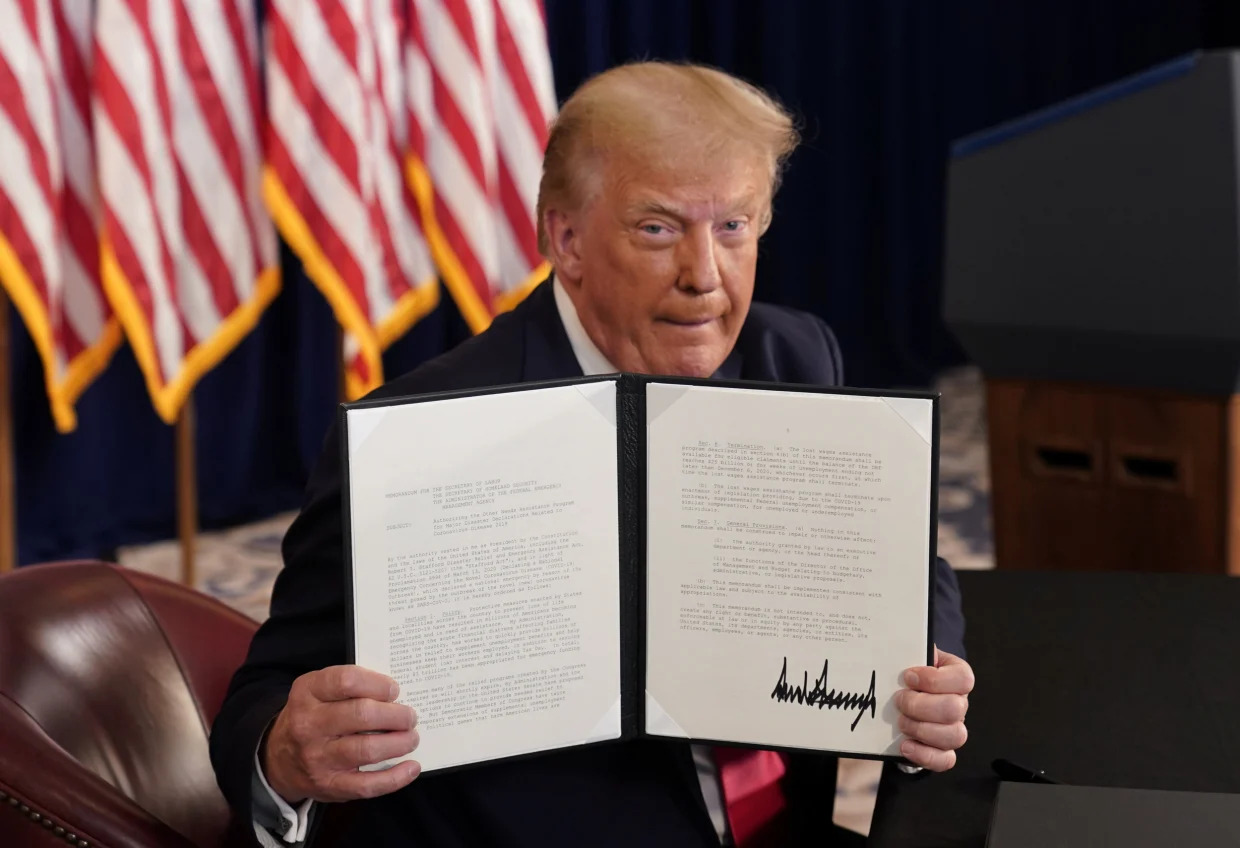
On 8th January 2026, the United States announced its withdrawal from the United Nations Framework Convention on Climate Change (UNFCCC), the foundational 1992 treaty for global climate action. This move was announced by President Donald Trump and has had immediate and specific legal consequences for Article 6 of the Paris Agreement, which governs international carbon markets.
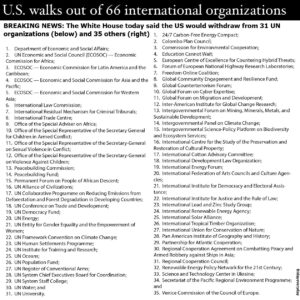
First, Automatic Exit from the Paris Agreement
Under Article 28.3 of the Paris Agreement, any party that withdraws from the parent UNFCCC convention is automatically considered to have withdrawn from the Paris Agreement as well. While a standard withdrawal from the Paris Agreement typically takes one year to process, a withdrawal from the UNFCCC triggers a complete exit from all subordinate accords, including the mechanisms established under Article 6.
Impact on Article 6 Mechanisms
Article 6 of the Paris Agreement enables countries to cooperate through carbon markets to meet their climate targets (NDCs). The U.S. withdrawal impacts these mechanisms in the following ways:
Loss of Participation Rights
As a non-party, the United States loses its right to participate in official emission trading under the Paris Agreement. It can no longer use Article 6.2 (bilateral cooperation) or Article 6.4 (the global carbon market) to transfer or receive “internationally transferred mitigation outcomes” (ITMOs).
Exclusion from Governance
The U.S. will no longer have a seat at the table to shape the evolving rules for international carbon markets. This includes losing the right to vote on decisions within the governing bodies of the Paris Agreement or nominate members to technical committees overseeing Article 6 implementation.
Reduced Market Demand and Liquidity
As one of the world’s largest economies and potential buyers and sellers of carbon credits, the U.S. exit significantly reduces the potential scale and liquidity of the Article 6 global carbon market.
Policy Volatility for Private Sector
U.S. based companies and investors who planned around standardized global carbon rules face increased risk premiums and policy uncertainty. Without federal participation in Article 6, U.S. entities may find it harder to align domestic offsets with international standards, potentially leaving them exposed to foreign climate-linked trade measures. The U.S. withdrawal creates a leadership vacuum in the technical and diplomatic development of Article 6. Experts note that other major economies, such as China and the European Union, are likely to take over the role of defining the underlying norms and rules for international climate finance and carbon trading.
According to a 2024 World Bank report, A number of States in the US had made progress to enact new or expand existing carbon pricing instrument. Additionally , American video streaming company Netflix, technology giant Apple and America’s Delta Airlines are among the top global companies capitalizing on Kenya’s voluntary carbon market.
It is worth noting that U.S based Delta Air Lines was a top buyer, purchasing a combined 1,164 kilotonnes of CO₂ equivalent (KtCO₂e) from projects in Kenya and Uganda. Additionally, Netflix acquired 699 KtCO₂e from Kenyan projects and Apple was listed among the top global companies capitalising on Kenya’s voluntary carbon market. The main question here is will their investment change gicen Trump’s new directive? Again will the BHP (an Anglo-American multinational mining company): that bought 200 KtCO₂e from Kenya recover from its investments? Finally, will Meta (Facebook’s parent company) continue to buy carbon credits from Kenyan projects, such as the Northern Rangelands Carbon Project?